
[This article is part of the monthly Communicate Smarter: Your Guide to Better Work Conversations series from UCOR Public Affairs.]
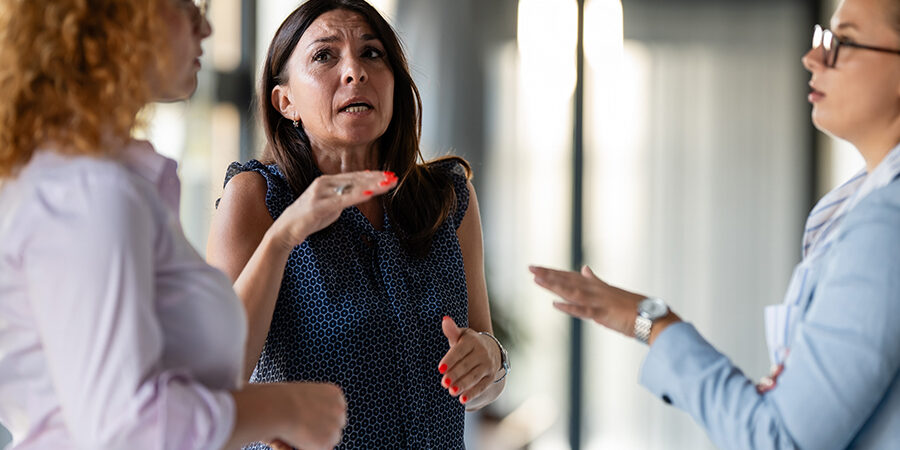
We don’t just speak with words; our bodies talk, too! Body language includes everything from how you stand to your hand movements and facial expressions. Understanding these silent signals helps you “read” others better and ensure your own body sends the right message.
Your body’s silent signals:
- Eye Contact: Looking someone in the eye shows you are listening and engaged. Too much staring can feel aggressive, but too little can make you seem uninterested or untrustworthy.
- Posture: How you sit or stand says a lot. Standing tall or sitting upright shows confidence. Slouching might suggest boredom or lack of interest.
- Gestures: Hand movements can add to your message. Use them naturally to emphasize points but avoid fidgeting (like tapping your foot) which can show nervousness.
- Facial Expressions: Your face is very expressive. A friendly smile can make you seem approachable, while a frown might signal confusion or disapproval. Keep your expressions open and positive when you want to encourage conversation.
- Open vs. Closed: Open body language (like uncrossed arms and an open stance) makes you seem more approachable and willing to listen. Closed body language (like crossed arms) can make you seem defensive or closed off.
Action steps: Put it into practice!
- Check Your Stance: Before your next meeting or presentation, pay attention to your posture. Stand or sit tall and relax your shoulders.
- Mirror a Colleague (Subtly!): Notice a colleague who communicates well. What does their body language look like when they talk or listen? Try to subtly adopt one positive body language habit they use.
- Practice an Open Pose: When you’re talking to someone, try to keep your arms uncrossed and your body angled towards them. Notice if you feel more engaged.
Check out the Non-Verbal Communication Toolkit on HUBi’s Communicating Effectively wiki. There you’ll find more information, including a tipsheet and some practical exercises to help you improve your non-verbal communication.